11
11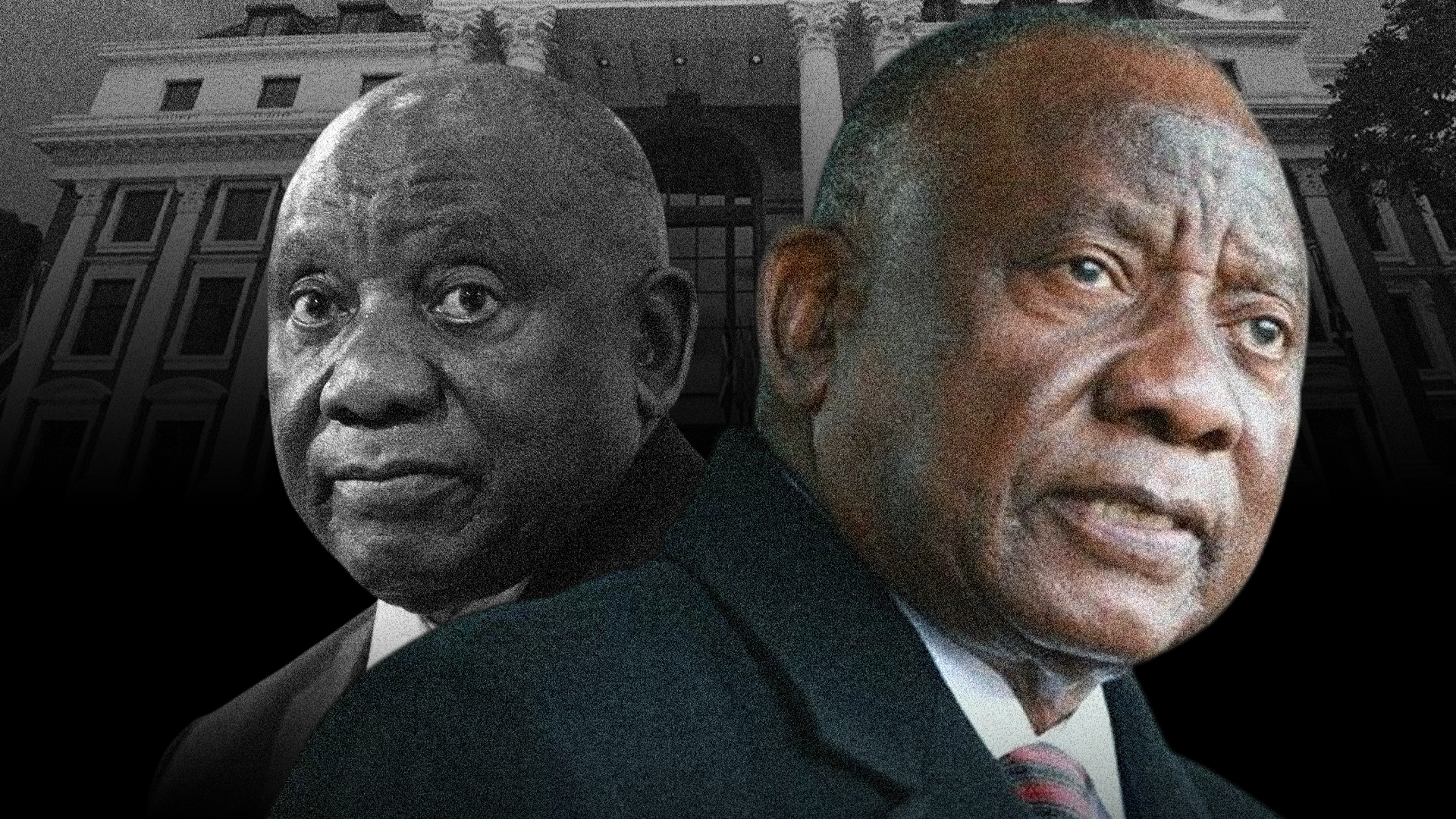
South African President Cyril Ramaphosa, head of state and leader of the African National Congress (ANC), was the central figure. He addressed the nation after a 3-person independent panel, chaired by former Chief Justice Sandile Ngcobo, released findings on the Phala Phala scandal. Parliament commissioned the panel’s work to determine if there was enough evidence to start impeachment proceedings.
Ramaphosa announced he would not resign over the Phala Phala saga and would take the panel’s report to judicial review. The panel had found prima facie evidence that he may have violated the Constitution and anti-corruption laws by stealing foreign currency from his Limpopo game farm on 9 February 2020.
Ramaphosa argued the report was flawed and legally unsound. His decision forced Parliament into high stakes vote on whether to proceed with impeachment.
The address happened on Monday night, 5 December 2022, two days after the Ngcobo panel report was made public on 30 November 2022. Parliament debated and voted on the report the following day, 6 December 2022.
The address was broadcast from the Union Buildings in Pretoria and aired nationwide. The political battle played out in Parliament in Cape Town the next day. The scandal itself centered on Phala Phala, Ramaphosa’s game farm near Bela-Bela in Limpopo Province.
The core issue was a 2020 break-in at Phala Phala, where roughly $4 million USD in cash was stolen from a couch. Former spy boss Arthur Fraser alleged Ramaphosa failed to report the theft, concealed the crime, and failed to account for undeclared foreign currency.
Ramaphosa said he was the victim of a crime and that the money came from legitimate game sales. He rejected the panel’s findings, calling the process rushed and procedurally unfair. Politically, resignation would have destabilized the ANC ahead of its December elective conference and the 2024 national elections.
Ramaphosa used two levers: legal and political. Legally, he launched a judicial review application to set aside the panel’s report, arguing it overstepped its mandate and made errors in law. Politically, he relied on the ANC’s parliamentary majority to block the adoption of the report. On 6 December 2022, Parliament voted 214 to 148 against proceeding with an impeachment inquiry, ending the process in that session.
This was the first time Section 89 of the Constitution—South Africa’s impeachment clause was tested against a sitting president. Ramaphosa’s defiance set a precedent for how executive accountability and judicial oversight interact in SA’s constitutional democracy.
It also exposed deep fractures in the ANC and raised lasting questions about transparency, foreign currency controls, and the standards expected of public office holders. The Phala Phala saga didn’t end in 2022. Criminal investigations and civil cases continued, but Ramaphosa’s December 2022 decision kept him in office and reshaped South Africa’s political trajectory.