11
11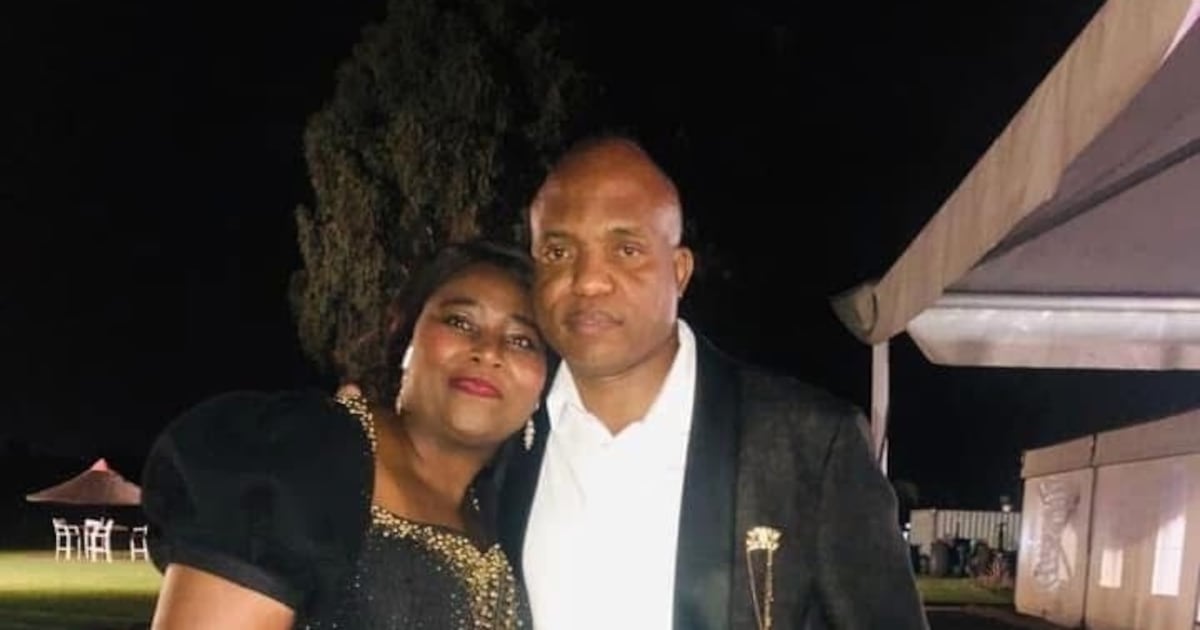
During the height of South Africa’s COVID-19 crisis, when the government rushed to get money into the hands of citizens who could no longer work, a small group of people saw an opportunity for theft.
According to court documents and investigative reports, a married couple from Mpumalanga orchestrated one of the largest fraud schemes targeting the country’s pandemic relief system. Between them and the wife’s brother, they now face thousands of criminal charges.
The main players in this case are:
Together, they are looking at 4,294 separate counts covering both fraud and money laundering. Investigators say they stole approximately R27 million from the Temporary Employer-Employee Relief Scheme (TERS), which was administered through the Unemployment Insurance Fund (UIF).
The fraud revolved around a company called A and F Consulting. Over a four-month stretch from October 2020 through January 2021, this business submitted repeated applications to the TERS program. Each application claimed that the company had employees who needed financial help during the lockdowns.
But here is the catch: virtually none of those employees existed or at least not as workers for A and F Consulting.
Instead, the names belonged to:
In total, more than 700 ghost workers were listed on the claims. The money flowed into A and F Consulting’s accounts as if the company had a real workforce in need.
Once the funds arrived, they did not stay put. Investigators from multiple agencies traced the money moving from A and F Consulting into another business called Khulani Quality Contribution, which was also linked to Gladness Msiska. This transfer appeared designed to muddy the waters and make the original source of the cash harder to follow.
From there, the money was used to acquire assets worth more than R31 million, actually exceeding the amount stolen.
Bongani Zoran Mkhonto, the wife’s younger brother, allegedly served as the person on the ground. His job was simple but essential: gather identity documents from unsuspecting people.
How did he convince them to hand over their personal information? Investigators uncovered several tactics:
When officials later interviewed individuals whose names appeared on the ghost employee lists, many had no idea their identities had been used. They had shared their details believing they were signing up for help; not becoming pawns in a multi-million-rand fraud.
The Asset Forfeiture Unit moved quickly once the scheme was uncovered. They obtained court orders to freeze accounts and seize property. What they found paints a picture of extravagant living during a time when millions were struggling to afford basic food.
Vehicles taken by authorities include:
Properties seized include:
Bank accounts were also frozen, along with household goods and office equipment. The total value of assets identified and preserved exceeds R31 million.
What makes this case particularly striking is how openly the couple displayed their wealth. Gladness’s social media accounts became a kind of public diary showing luxury vacations, expensive meals, and high-end experiences.
In July 2021, about a year after the fraudulent claims began going through she posted a photograph of an elaborate dinner spread. The caption read: “The Lord will prepare your table in front of your enemies.”
Other photos showed her alongside Shepherd Bushiri, the controversial Malawian pastor and businessman. One image captured her husband sitting at a table with Lazarus Chakwera, who served as President of Malawi from 2020 through 2025. Given the couple’s Malawian background, these connections have drawn additional attention.
Authorities first began looking into suspicious claims connected to A and F Consulting back in 2022. The probe eventually grew into a multi-agency effort involving:
Rather than wait for a dramatic arrest, the three suspects made a different choice. They voluntarily turned themselves in to authorities in Mbombela on Sunday, May 17, 2026.
The trio stood before the Middelburg Magistrate’s Court on Monday, May 18, 2026. The charge sheet was massive: 4,294 counts spanning fraud and money laundering.
The magistrate set bail as follows:
The large difference in bail amounts reflects the authorities’ view of each person’s role. The brother is seen as a “runner”, someone who collected documents but did not orchestrate the overall scheme. The couple, by contrast, are considered the masterminds.
The court postponed the case to July 20, 2026 to allow more time for investigators to complete their work.
The Department of Employment and Labour issued a statement welcoming the arrests. Acting Director-General Jacky Molisane said the TERS program was created to help people during one of the toughest periods in modern South African history. Any attempt to exploit that system, he added, undermines its purpose and hurts the very people it was meant to protect.
Molisane also praised the cooperation between different government agencies, saying that teamwork among the Hawks, the SIU, the UIF, and the NPA has been key to catching fraudsters and recovering stolen money.
Major General Nico Gerber, who leads the Hawks in Mpumalanga, put it this way: when law enforcement agencies work together, justice stands a better chance of being served for everyone harmed by ghost employee schemes.
Behind the legal proceedings and the headlines are real human beings. The SIU revealed that many of the individuals whose identities were stolen were themselves struggling during the pandemic. They had reached out for help, hoping to find work or assistance. Instead, their trust was betrayed.
Each of the 700-plus ghost workers represents a real person. Some had previously worked for the couple’s construction company. Others were job seekers who gave their documents to someone they thought was a recruiter. A few had their details taken without their knowledge.
Not one of them received any of the R27 million.
As the July court date approaches, the Asset Forfeiture Unit is expected to push for permanent forfeiture of the seized assets. Since the preserved property is valued at over R31 million—more than the R27 million stolen—authorities may also explore additional money laundering charges.
The case has gained attention beyond South Africa’s borders. Media outlets in Malawi have covered the story extensively because of the suspects’ Malawian connections and the photographs showing one of them with former President Chakwera. Nothing in the official record suggests Chakwera had any knowledge of or involvement in the fraud, but the images have added a political angle to the public discussion.
For the ordinary South Africans whose pandemic relief was stolen, this case offers at least some measure of accountability. The SIU has noted, however, that this represents just one breakthrough among many. The fight against TERS fraud is far from over.