 11
11
Your 24/7 source for the full mix of South African News. Politics, Business, Community, Trends. All beats, one feed
Your 24/7 source for the full mix of South African News. Politics, Business, Community, Trends. All beats, one feed
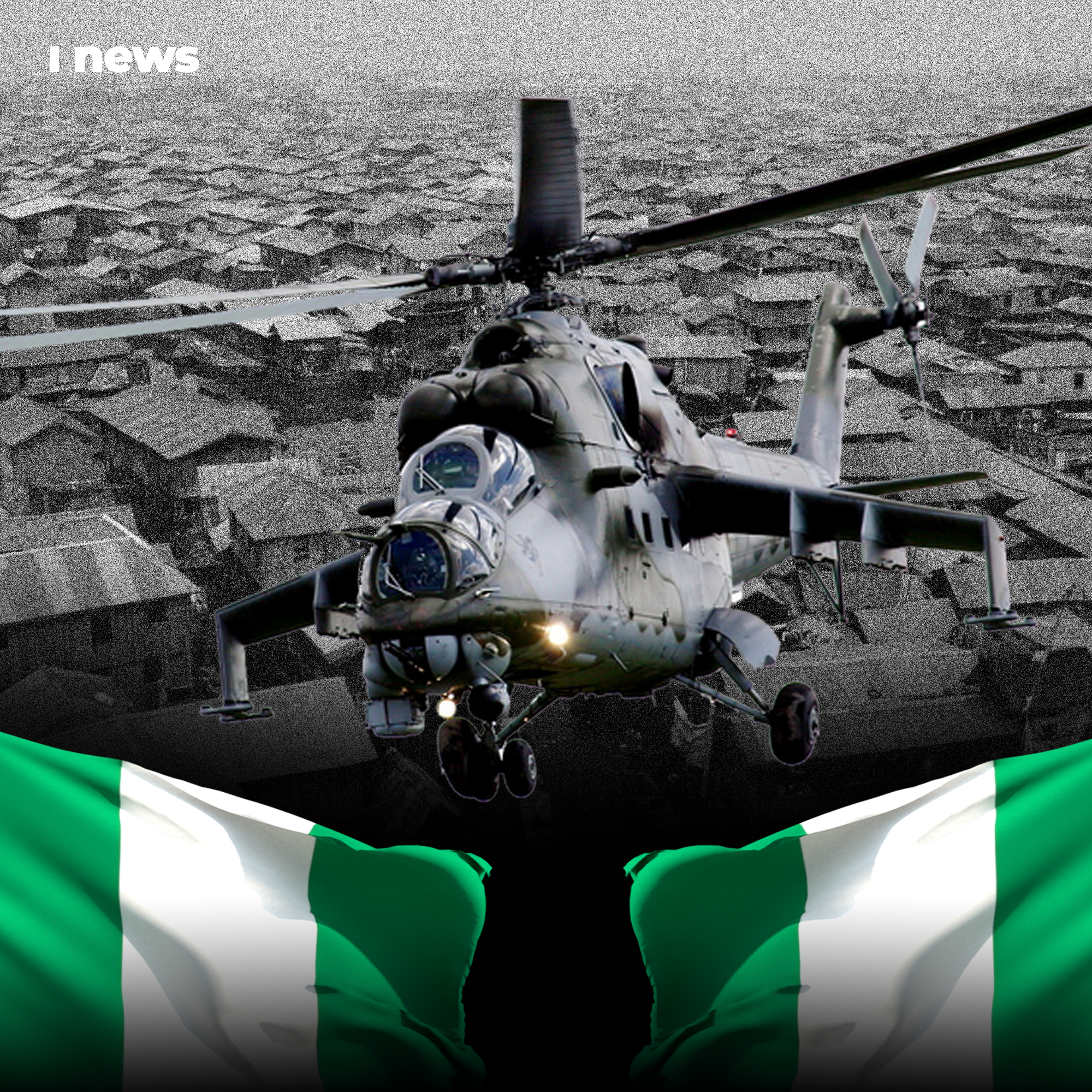
Recent attacks alleged to have been motivated by xenophobia in South Africa have prompted the Nigerian consulate in the country to repatriate Nigerian individuals residing in South Africa illegally. Foreign nationals have been facing countless attacks on their businesses and livelihoods in South Africa as a response to the economic, crime, and government corruption crisis the country is facing.
The recent unrests were sparked by KZN citizens and has spread across most parts of the country, including Johannesburg.
The United Nations (UN) has since condemned this issue and labelled it as contradictory to South Africa’s “Rainbow Nation,” which the country prides itself on being. Other African countries commented and responded swiftly, accusing South Africa of contradicting its Rainbow image and its government of failing to protect foreign nationals. In response, Ghana has also begun to cause unrest by prompting the repatriation of South African nationals.
This is not merely a domestic security issue; it is a significant reputational crisis for South Africa on the global stage. Fellow African nations have responded with uncharacteristic bluntness, accusing the South African government of failing to protect foreign residents. Diplomatic tensions reached a new peak this week when Ghana summoned South Africa’s envoy to express grave concerns over the safety of its diaspora. Ghana has since intensified its own repatriation protocols, signaling a profound lack of confidence in South Africa’s ability to restore order.
As a student of strategic communication, one cannot ignore the long-term impact this “brain drain” and capital flight will have on the South African economy. Nigerian nationals contribute significantly to various sectors, from small-scale retail to high-level professional services. The Sight of buses and planes mobilizing to evacuate these individuals is a visual failure of the African Continental Free Trade Area (AfCFTA) ideals of free movement and unity.
At the Nigerian Consulate in Johannesburg, the atmosphere is one of sombre urgency. Families have begun gathering with their remaining possessions, trading their lives in South Africa for the safety of a return to Lagos or Abuja. For many, this repatriation represents the end of years of hard work, as their shops and businesses have been reduced to ash in the wake of the KZN-sparked unrest.
The South African Department of International Relations and Cooperation (DIRCO) has issued a series of statements reaffirming its commitment to the safety of all residents. Minister Ronald Lamola recently stated that acts of intimidation against migrant communities are a threat to the country’s constitutional order and will not be tolerated.
However, for the Nigerian government and its citizens, words are no longer sufficient. The decision to commence emergency repatriation indicates that the “Stakeholder Trust” between the two nations has reached a historic low. As the first group of repatriated citizens prepares to depart, the South African government faces a critical litmus test: can it move beyond rhetoric and provide the “Rainbow Nation” protection it so frequently promises?





South Africa is Afro-phobic, not xenophobic. I am saying this because we have many European foreigners in the Western Cape that are not being challenged at all but the presence of African threatens South Africans. Maybe if all African countries turned their backs on South Africa, they will learn how to embrace their fellow brothers and sisters the same way they embrace Europeans.
Oh and, can’t they gather all the foreigners and have them documented because they are already here? So many of them have built their lives here and have contributed immensely to the economy. I think South Africa’s hatred for foreign nationals is misplaced.