

The Declaration of the GBVF as a national crisis. Was it genuine or strategic?
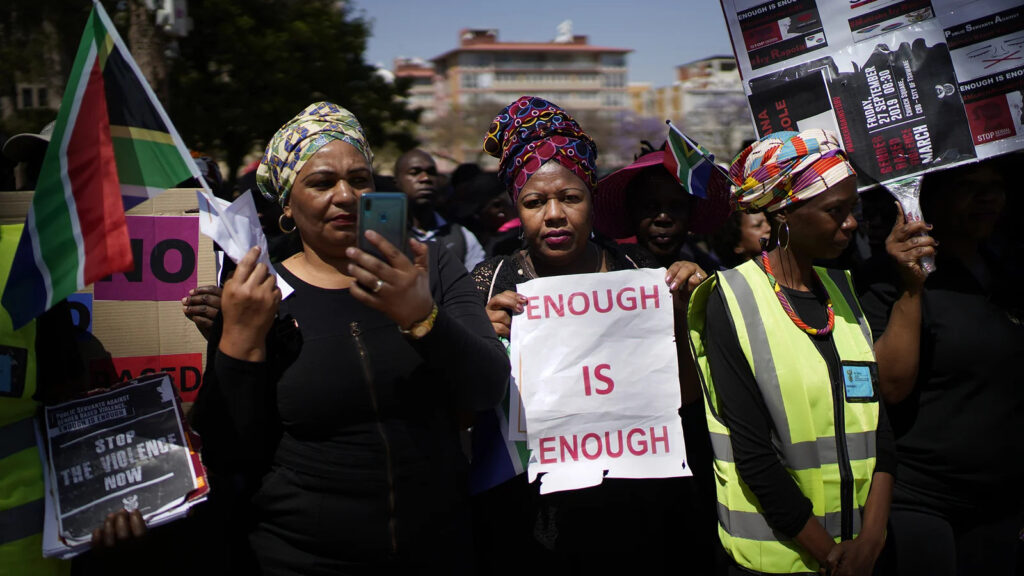
Imagine how hot it was in the president’s strategic communications office mid-November 2025. The advocacy group, Women for Change was mobilising millions of South African citizens to join the economic cease on November 21 and gaining international traction.
Two weeks prior, the National Disaster Management Centre (NDMC) rejected applications to classify Gender Based Violence and Femicide (GBVF) as a national crisis. What does a concerned administration do before things escalate? Declare the GBVF as a national crisis before the shutdown and keep everyone on a leash while protecting the president’s reputation just in time for the G20 summit.
Words but no action
During his 2026 State of the Nation Address (SONA), President Cyril Ramaphosa delivered a speech about the GBVF crisis that lacked depth and took less than 3 minutes. There was no clear timeline to deliver services, no estimated budget allocations and techniques to track progress, outcomes and the funding process for an issue declared a ‘national crisis’.
Six months after the declaration, there are no meaningful, impactful outcomes/ updates from the state. Instead, more women are murdered, children continue to disappear, and survivors are let down by the system over and over again. There are rape kit shortages, investigations keep failing, there are court delays, dangerous perpetrators and abusers are granted bail and walk freely on the streets.
The justice system failure and empty promises by the president, left the people of South Africa no choice but to take over and do things for themselves again. There is a petition circulating all over the country to completely remove bail for rape and murder cases.
A few days ago, I visited a police station in a small community within Centurion. The conversations I had with the police and social workers exposed the awful state neglect realities.
They revealed that the first step/advice given to a victim of GBV is to apply for protection order. The sad part about this whole thing is the geographical and financial cruelties faced by the people here. The nearest protection order office is in Pretoria, and the victim might not have the means to travel there. The state provided a service and process that is expensive and time consuming, leaving the victims stranded in danger, trapped in situations that could that inevitably turn fatal.
The police and social workers pointed out a strategy that they think could minimise the crisis. The community lacks awareness campaigns regarding GBVF. They want the state to prioritise and fund educational and awareness campaigns particularly in schools.
Clearly the declaration was never meant for change, but it was a plan and strategy for the president to look good. His position and impact as president are defined by long deep empathy speeches and immobility in action.