 11
11
Your 24/7 source for the full mix of South African News. Politics, Business, Community, Trends. All beats, one feed
Your 24/7 source for the full mix of South African News. Politics, Business, Community, Trends. All beats, one feed
The narrative surrounding a Bachelor of Arts degree has become a cliché cultural remark. Critics look at the constantly fluctuating labour market conditions, underemployed graduates as proof of failure and mark the degree as ‘useless’.
The issue is not that the degree lacks value, it is that many students treat the degree as an easy weapon or key to enter into university. Choosing this type of degree requires you to have passion, intention, and strategies for short- and long-term goals. In that way you’ll get the superior cognitive abilities need in modern workspaces.
Data reveals that humanities graduates excel in leadership, communication, strategy and critical thinking skills, denying the ‘useless degree’ allegation.
Labelling the BA degree as useless scares students or even teenagers that wish to pursue this degree. What people don’t know is that the market does not reject the skills humanities offer, it rejects someone who cannot convert the theory they learnt into something practical and valuable for a company.
Remember, the degree is not a golden ticket that automatically grants you a job but a powerful toolbox.
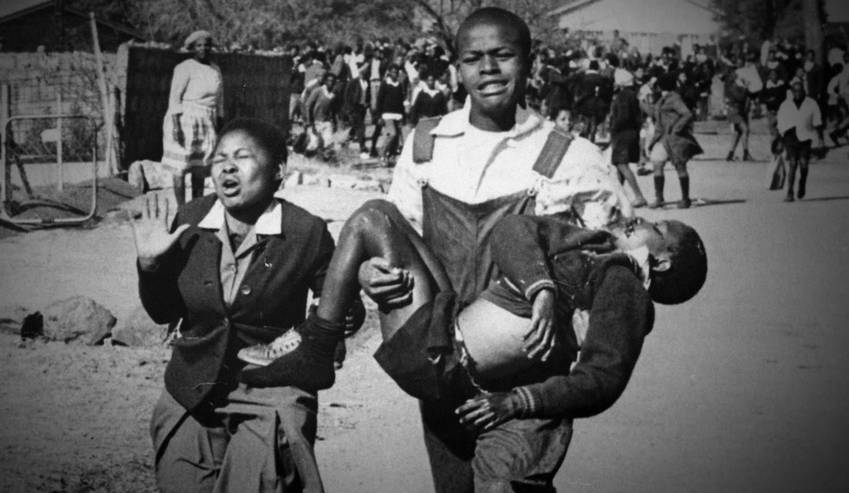
The degree does not only prepare you for work but for real life issues too. It teaches you to find the real cause of a societal problem rather than taking the nearest thing at hand to put the blame on. A good example for this is the xenophobic attacks and marches in South Africa. The people responsible for the marches and chasing foreigners outside of the country believe deporting them will solve the unemployment crisis.
Someone who studied under humanities will use theories, problems learnt from History, Sociology, and the disciplines under Development Studies, Economics, Political science, Geography, Law and Psychology and apply critical thinking skills to see the truth behind all the problems the people of South Africa face.
They know that removing foreigners from the country and workspaces will not automatically will not bring more jobs. They see that the real issues are imbedded in structural plans like the education systems, poor economic growth, incompetent governance, lack of accountability from the government, and the list goes on.
Essentially, the degree ability allows us to avoid lazy blame and look for systemic flaws that cause failure, preventing companies from making short sighted mistakes.
In the end, the value of the degree in the labour market is not defined by the name of the certificate but by the strategy and length the person holding the degree is willing to go to.
The constant fear built regarding the degree discourages bright minds who wish to pursue careers in this field and have the ability to thrive in them.
If we want a society that is able to solve complex human problems, then we must respect the education that teaches us how to look at these problems. At the end of the day, the Humanities degree is not as useless as made out to be.