
Sofa Showdown: 31 MPs Ready to Grill Ramaphosa
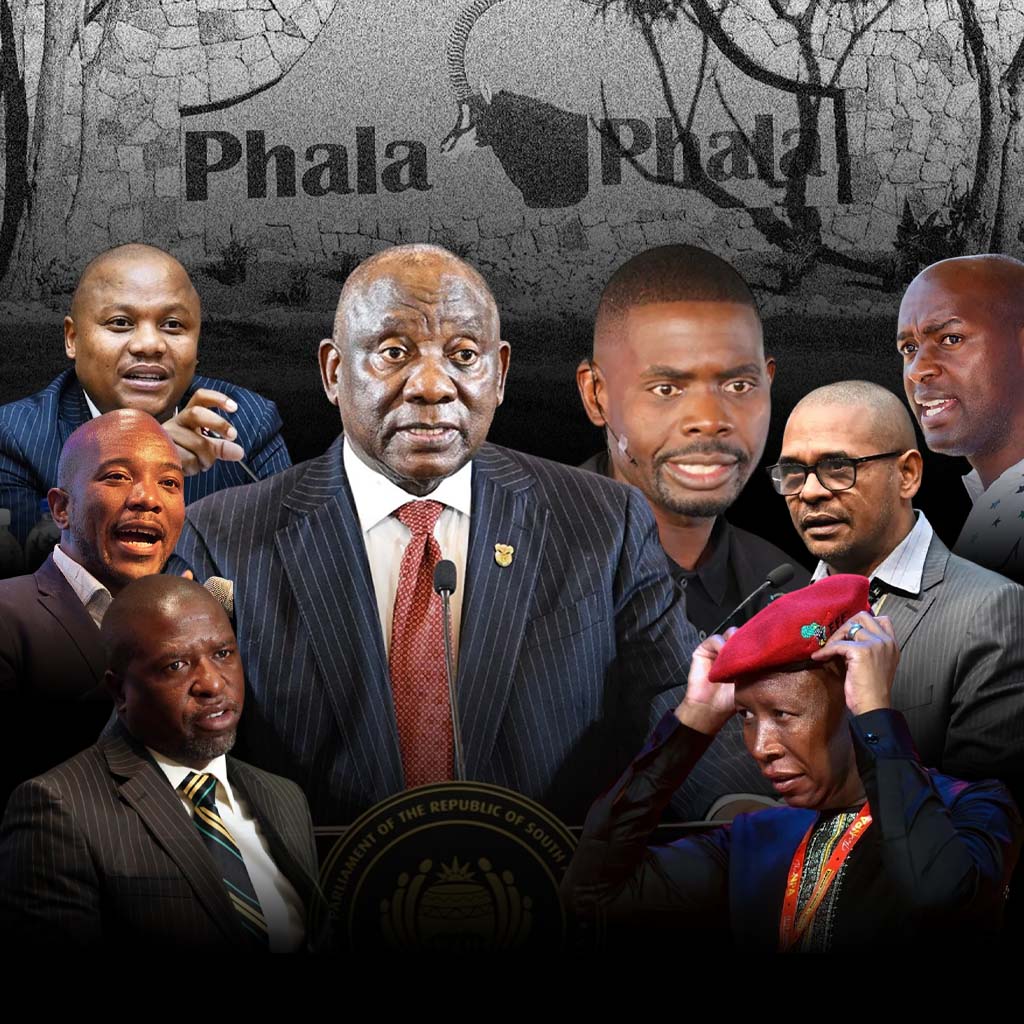
Parliament revealed the identities of 31 Members of Parliament who will serve on the Section 89 Impeachment Committee last week, tasked with determining whether President Cyril Ramaphosa should be removed from office over the Phala Phala farm scandal. The announcement, made on Monday 25 May, coincides with Ramaphosa’s own court challenge seeking to overturn the independent panel report that gave rise to the inquiry.
Who is in the committee?
The multi-party committee was formed following a Constitutional Court ruling earlier in May 2026, which found that the National Assembly had acted unlawfully when it voted down an impeachment inquiry in 2022. Section 89 of the Constitution empowers the National Assembly to remove a president for serious violations of the Constitution or law, serious misconduct, or an inability to perform official duties. The committee consists of 31 members nominated by 16 political parties, with seats allocated in proportion to their parliamentary representation.
The African National Congress (ANC) holds nine seats on the committee, followed by the Democratic Alliance (DA) with five, the uMkhonto weSizwe (MK) Party with three, and the Economic Freedom Fighters (EFF) with two. Twelve smaller parties, including the IFP, ActionSA, ACDP, and BOSA, each have one seat. GOOD and the PAC will not take part because their sole MPs serve in the executive branch. High-profile MPs appointed to the committee include EFF leader Julius Malema, MK Party parliamentary leader John Hlophe, BOSA leader Mmusi Maimane, and DA MP Glynnis Breytenbach. The ANC’s nominees include Dorries Mpapane, Xola Nqola, Soviet Lekganyane, and Faith Muthambi.
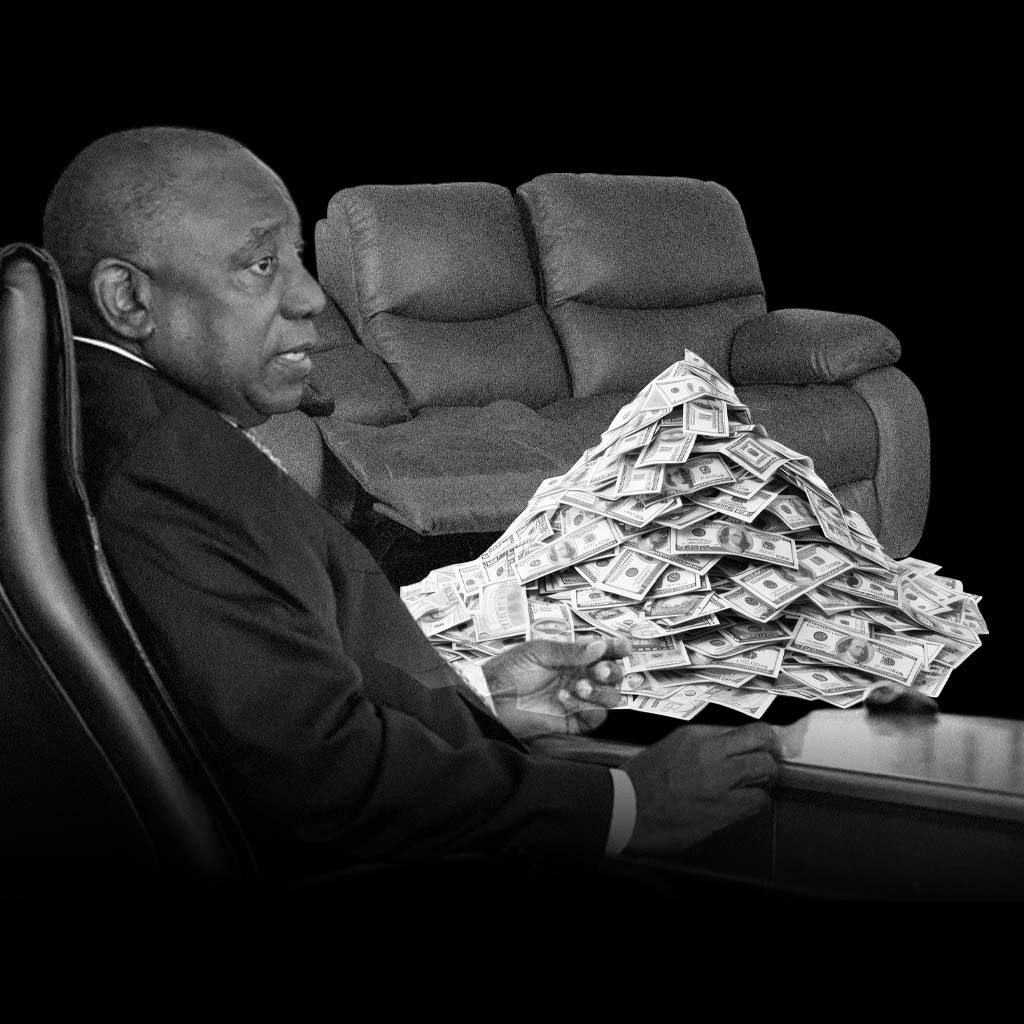
The inquiry originates from a 2022 independent panel report which concluded that Ramaphosa had a case to answer regarding the theft of at least $580,000 in cash hidden inside a sofa at his Phala Phala farm in Limpopo. The panel rejected Ramaphosa’s explanation that the money came from the sale of buffalo to a Sudanese businessman, and raised concerns about how his presidential protection unit investigated the theft without ever opening a formal police case.
Ramaphosa takes the process through court
In a parallel legal move, President Ramaphosa filed papers in the Western Cape High Court on 25 May 2026 seeking to have the Section 89 panel report reviewed and set aside. He argues that the panel overstepped its mandate and relied on untested or “untested information” rather than “sufficient evidence.” The President has also warned the National Assembly that he would be “compelled” to seek an interdict if Parliament proceeds with the impeachment process while his court challenge remains pending. It is still unclear whether the committee will wait for the court to rule on the validity of the report before beginning its work.
Busisiwe Mkhwebane seeks FBI intervention
Adding an international dimension to the scandal, former Public Protector Busisiwe Mkhwebane — now an MK Party MP — has, through her foundation, formally requested the United States Federal Bureau of Investigation (FBI) and the Department of Justice to investigate President Ramaphosa over the Phala Phala matter. The Busisiwe Mkhwebane Foundation argues that because the stolen currency involved was U.S. dollars, American authorities have jurisdiction. The foundation claims the hidden cash violates U.S. laws on bulk cash smuggling and money laundering, specifically statutes that criminalise concealing over $10,000 in currency to avoid reporting requirements. The foundation has asked U.S. authorities to probe the origin, transportation, and concealment of the dollars, and to pursue civil and criminal forfeiture of the funds.
The FBI has not publicly commented on the request, which echoes a similar but unsuccessful appeal made by the DA in 2022. Mkhwebane’s intervention keeps the scandal in the international spotlight and adds pressure on Ramaphosa from a political rival.
Next steps and political reactions
National Assembly Speaker Thoko Didiza said the committee’s composition balanced proportional representation with inclusivity to ensure smaller parties were represented. However, trade union federation Cosatu has criticised the allocation, arguing it short-changed the ANC, which holds 40% of seats in Parliament. To remove a president, a two-thirds majority vote in the National Assembly is required. Ramaphosa has repeatedly denied any wrongdoing, stating earlier this week that he “did not do anything wrong.”
The committee is expected to meet soon, though MPs have already voiced concerns about potential delays, especially given the President’s parallel court challenge and the unresolved legal questions surrounding the panel report.