 11
11
Your 24/7 source for the full mix of South African News. Politics, Business, Community, Trends. All beats, one feed
Your 24/7 source for the full mix of South African News. Politics, Business, Community, Trends. All beats, one feed
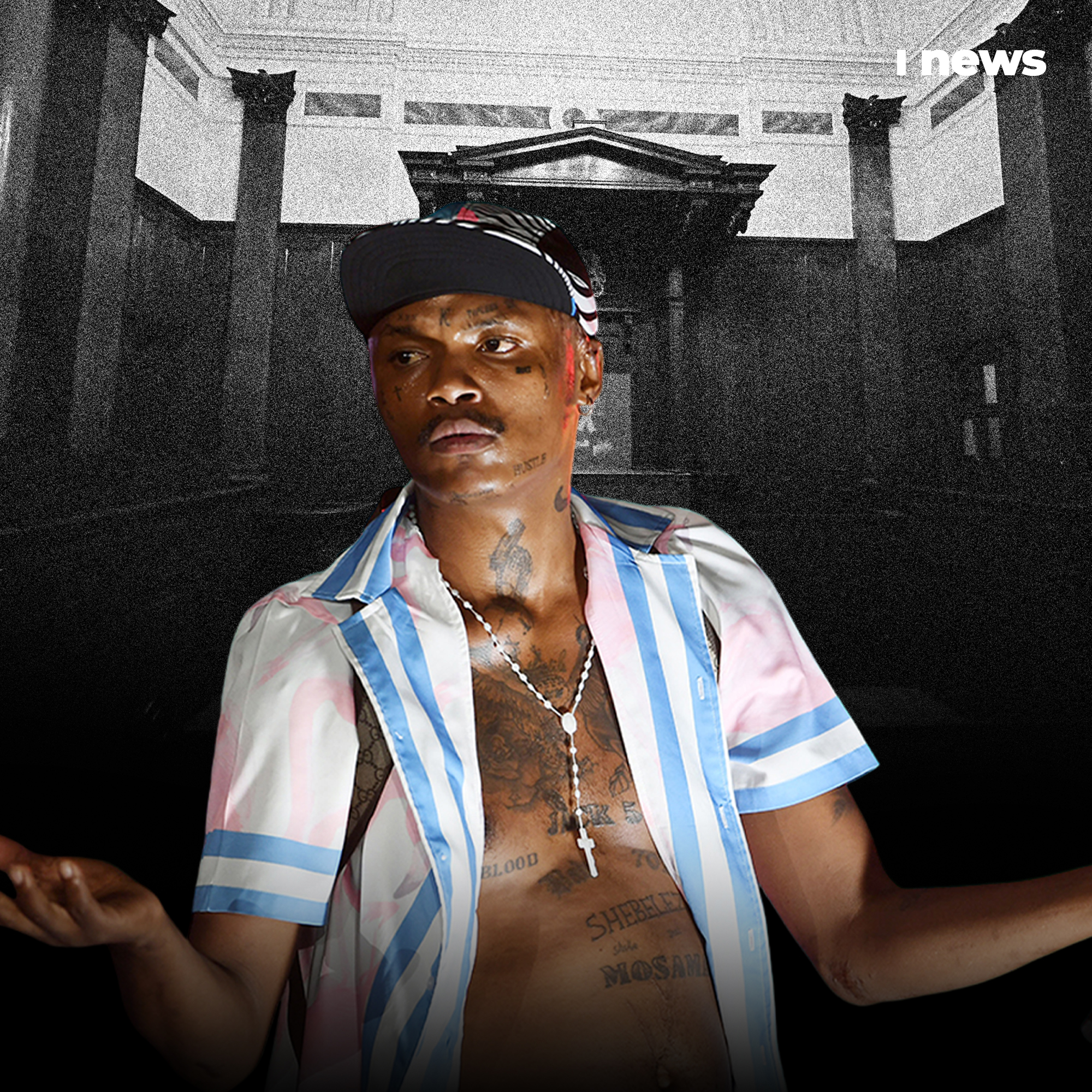
From the dusty streets of Limpopo to a prison cell in Polokwane, the full story of Lehlogonolo Chauke
Before the gunshots and the court dates and the Facebook debates, there was just a boy from Limpopo with something to say and a way of saying it that nobody had ever quite heard before. Lehlogonolo Katlego Chauke, better known to the world as Shebeshxt, did not arrive quietly. He came in hard, loud, and completely unapologetic, which is exactly why people fell in love with him.
Shebe is one of the founding fathers of Lekompo, a uniquely South African music subgenre that took the raw, unfiltered energy of the streets and turned it into something electric. Lekompo is not background music. It is confrontational. It is visceral. It grabs you by the collar and makes you feel something whether you want to or not. And Shebe was the best at it.
His rise was not engineered by a label or manufactured by a publicist. It was organic in the most real sense of the word. Regional hits circulated through phones and taxis long before streaming numbers caught up. Word of mouth was his greatest promoter. And then came Podcast and Chill with MacG.
That interview changed everything. Shebe walked into MacG’s studio and walked out a national conversation. He was raw, hilarious, contradictory, and completely himself in a way that South African audiences rarely see from artists. People were drawn to his honesty, even when it was uncomfortable. He spoke about his life without filters, without the polished PR spin that most celebrities wrap themselves in. Fans watched and saw something real.
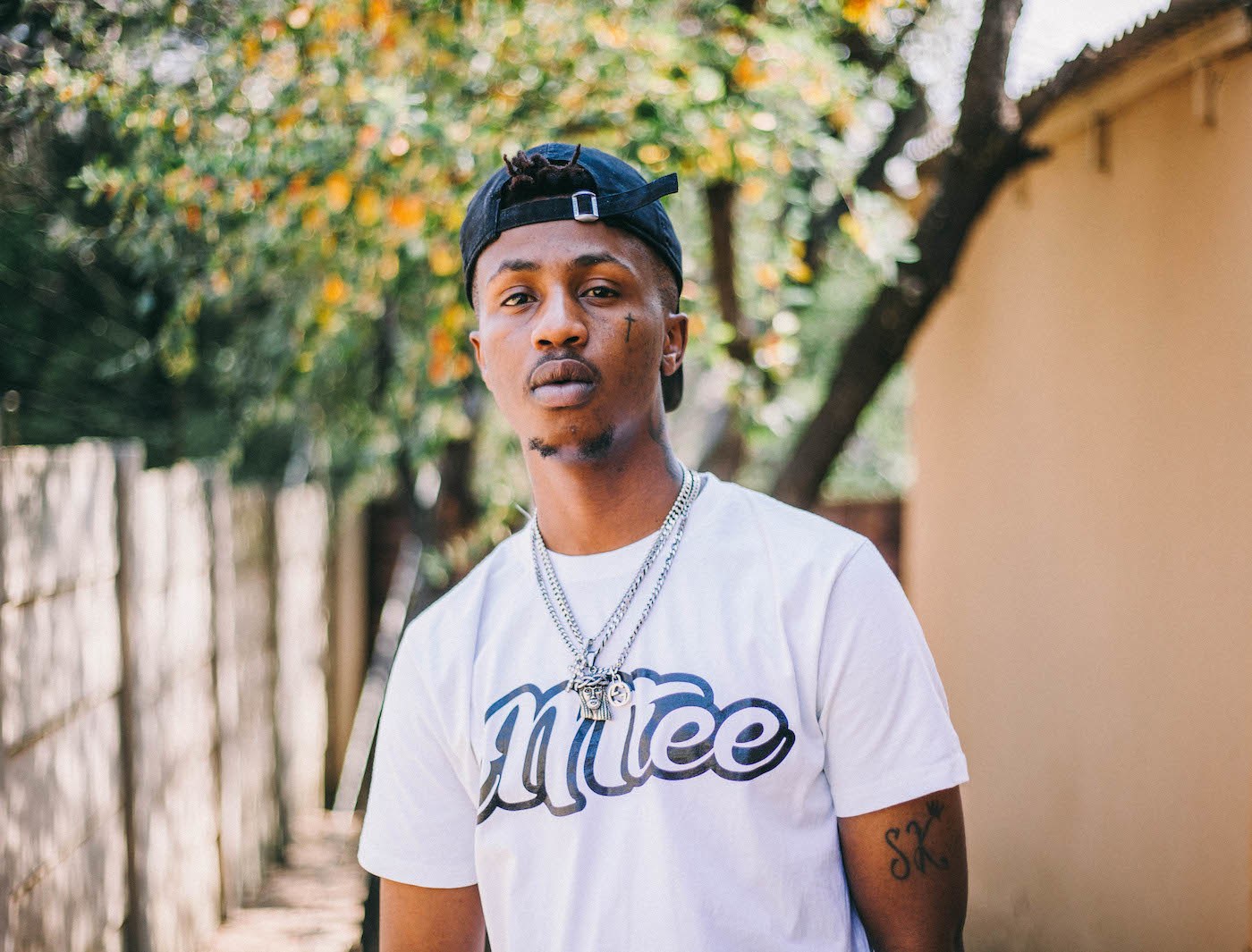
He even stole the show at Emtee’s concerts in late 2023, which is not a small thing. Emtee is an institution in South African hip hop, and the crowd at his shows does not give their love easily. But Shebe earned it. There was a moment in time when it felt like nothing could stop this man.
There was a moment when it felt like nothing could stop this man.
In the beginning, the fans were everything. They carried his music before radio did. They showed up for him when venues were small and stages were borrowed. To them, Shebe was not just an artist, he was a mirror. He reflected a kind of life that is lived in townships and locations across Limpopo and beyond, the life that does not make it onto the evening news unless something has gone wrong.
Fans described his stage presence as something close to dangerous in the best possible way. He moved like a man who had nothing to lose and everything to prove. That energy was magnetic. Young men from Polokwane to Soweto claimed him as their own. He was the guy who made it without selling out, who stayed rough around the edges even as his fame grew.
But even in those early golden days, some fans noticed cracks beneath the surface. The aggression on stage bled into stories off stage. The persona was not always a persona. Still, love is blind, and the fans kept showing up.
The incidents came slowly at first and then all at once. Long before his name was attached to any formal charge sheet, stories circulated about Shebe’s volatile behaviour at events and in his personal life. Fans who had once cheered for his raw authenticity started to ask uncomfortable questions about where performance ended and real danger began.
In April 2023, he was arrested for allegedly firing shots into the air at a family residence. The charges included attempted murder and assault. It was not his first run-in with trouble, and those who had been watching closely were not entirely surprised. But for the broader public, it was a jolt. This was the kind of behaviour that could not be framed as artistic temperament or street credibility. People had been shot at.
The Botswana chapter added another layer of chaos to the story. He was detained there in connection with breaching a performance contract, a situation that spoke to a growing pattern of obligations either ignored or mismanaged. Promoters began to whisper. Bookings became complicated.
Through all of this, the fan base remained split. Some defended him with the loyalty of people who had built their identity around his music. Others started stepping back, tired of excusing behaviour that was becoming harder to contextualise. The violence was real. The victims were real. Fame does not change that.
Whatever one thinks of Shebeshxt the man, what happened on the 10th of June is something that no human being should have to carry. The car accident that stole his nine year old daughter Onthatile Chuene from this world changed everything about him, even if the world did not immediately see it.
Onthatile was nine years old. Nine. Still at the age where the world is supposed to be opening up, where school concerts and weekend plans and the specific joy of being alive are the biggest things on your mind. She did not get to have that. She was gone, and her father survived, which is sometimes the cruelest outcome of all.
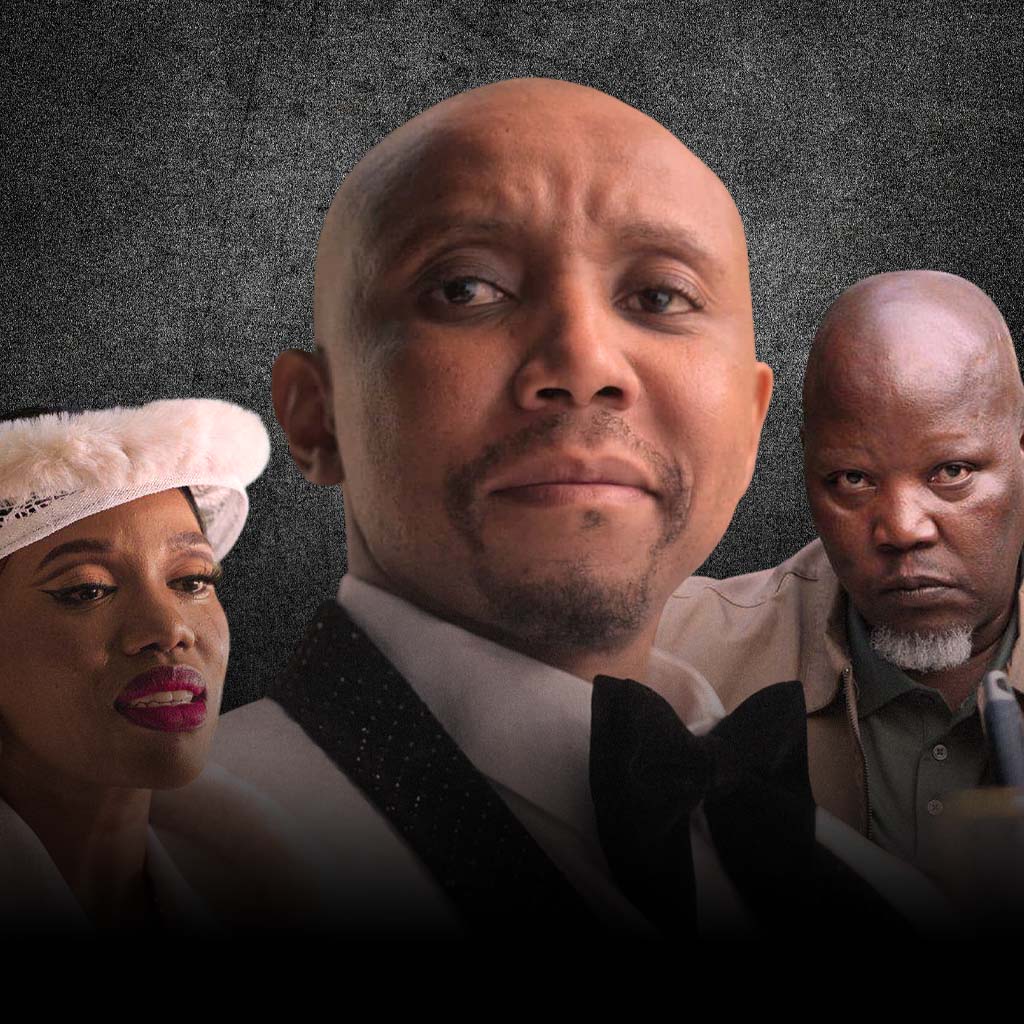
His legal team later revealed in court that the accident left Shebe carrying severe psychological trauma. He struggled to sleep. He carried the weight of her absence into every room he entered. In one court appearance, he broke down in tears in the dock, looking across at his partner Kholofelo Moloto, the grief sitting visible on his face for everyone in that courtroom to see. It was one of those moments that reminded the public that behind the bravado and the headlines, there is a person inside a body that is trying to keep moving.
South Africans who had already made up their minds about him paused. Some reconsidered. The comments sections on that particular court video were quieter than usual, as if the internet itself needed a moment. Grief that visible is difficult to dismiss.
But grief also does not erase accountability. And the story was far from over.
She was nine years old. Still at the age where the world is supposed to be opening up.
Anyone who follows the Lekompo music scene with any consistency knows that there is a conversation long overdue about its relationship with recklessness on the roads. The lifestyle that the music often celebrates, late nights, fast living, substances flowing freely, has contributed to a disturbing pattern of accidents among its artists and their circles. Shebe was not the first and, tragically, has not been the last.
The alleged drink-driving culture that follows certain performances and events in this scene is not a secret. It is discussed in hushed tones backstage, loudly in comments sections, and with increasing urgency by families who have lost people. The roads of Limpopo have witnessed too many tragedies connected to this world. Until the artists themselves decide to confront it publicly and loudly, the pattern is unlikely to change.
What made Shebe’s accident slightly different in the public narrative was what happened afterwards. Julius Malema, the firebrand leader of the Economic Freedom Fighters, stepped in and covered the medical costs for those affected. In a country where a medical emergency can financially destroy a family overnight, that gesture meant something real.
Whether you agree with Malema’s politics or not, and South Africa is deeply divided on that question, this was not the first time he showed up for an ordinary South African when institutions failed to. He has a habit of appearing at moments when people have nowhere else to turn, pulling out his chequebook when the system shrugs. Critics will always find something to say about his motives. But the families he helped do not particularly care about the critics. They needed help, and he gave it. In South Africa’s complex social landscape, Julius Malema has quietly built a reputation as the man who shows up. Love him or find him insufferable, he keeps doing it. He is, for many ordinary South Africans who have ever needed saving, nothing short of a hero.
Road rage is common in South Africa. The combination of congested roads, economic frustration, and a culture that sometimes equates aggression with authority makes for a deadly cocktail. But most road rage incidents end with insults exchanged through car windows. This one ended with a man hospitalised and Shebeshxt behind bars.
In October 2025, Shebeshxt allegedly opened fire on another motorist during a road rage confrontation in Ladanna, Polokwane. A 34 year old man was left seriously injured. Whatever the full story is, and there is always a full story yet to be told in a court of law, the consequences were swift and severe. He was arrested in November 2025 and has remained in custody ever since. As reported by SABC News, the National Prosecuting Authority came out hard, with Investigating Officer Warrant Officer Phaladi Makola painting a picture of a man with a long history of evading the law stretching back to 2015.
The state alleged witness intimidation. They alleged interference with withdrawal statements. They argued he was a flight risk and a danger to society. The courts agreed, repeatedly.
His bail applications were refused. Appeals were filed and refused again. He changed lawyers multiple times, moving from Lot Ramusi to Advocate Michael Khumalo and eventually to senior counsel Advocate Laurence Hodes SC. The charge sheet kept growing. What started as a handful of charges ballooned into approximately 20 counts, including multiple counts of attempted murder, assault with intent to cause grievous bodily harm, robbery with aggravating circumstances, malicious damage to property, and negligent firearm discharge.
The Schedule 6 classification of his offences was the final wall between him and bail. Under South Africa’s Criminal Procedure Act, Schedule 6 offences flip the burden of proof. Normally the state must prove why a person should remain in custody. With Schedule 6, the accused must prove why they should be let out. The bar is extraordinary circumstances, and ordinary reasons like lost income, family responsibilities, or even health complaints do not clear it. Shebe tried all of them. The courts said no, every time.
The trial has not moved with any kind of speed. Postponements have stacked on top of postponements. The matter was transferred between courts. Dates were set and then shifted. Fans who wanted closure, in either direction, have had to keep waiting.
Then came a twist that belonged in a different story entirely. During a bail appeal hearing at the Limpopo High Court in Polokwane, Judge Karin Pillay flagged suspected artificial intelligence generated documents in the supplementary papers submitted by the defence team. The judge noted that the claims in the documents appeared unverified and potentially fabricated, a hallmark of AI generated legal papers that suffer from what the technology industry calls hallucinations: the invention of fake case law, fake statute references, and non-existent legal authorities presented with total confidence.
To make matters worse, the advocate who submitted those documents was not even the officially appointed legal representative standing in court that day. The case was immediately delayed while the mess was sorted out. Shebe’s new senior counsel, Advocate Hodes, needed time to go through the now sprawling 20 count case file from scratch.
South African courts have been increasingly vocal about the dangers of AI generated legal documents. Any lawyer caught presenting fabricated case law to a judge faces referral to the Legal Practice Council. It is a scandal that would have been unimaginable five years ago, and it has added another layer of chaos to an already chaotic case. The matter has since been postponed for further proceedings. Shebe remains in custody.
While Shebeshxt has been locked away in a prison cell, his partner Kholofelo Moloto gave birth to their child. Let that land for a second. She navigated pregnancy, labour, and the early terrifying months of new parenthood without her partner beside her, all while being scrutinised by an entire country watching her man’s case unfold in real time.
Social media, which so often weaponises women in these situations, surprised many observers with the warmth it directed at Kholofelo. Comments sections on Facebook updates about the case frequently mentioned her. People called her a warrior. They praised her composure. They noted her presence at court appearances, sitting in the gallery and holding herself together in front of cameras and strangers.
There is something quietly devastating about being the partner of a man whose name is both loved and despised in equal measure. You carry the grief of the situation alongside the complexity of the public narrative. Kholofelo has done so with a dignity that many commenters have noted and applauded. She did not choose to become a public figure. But she has handled it with more grace than most people would.
She navigated pregnancy and new parenthood without her partner, scrutinised by an entire country.
Facebook has been the main stage for this drama, and South Africans have performed on it with full commitment. From Daily Sun comment sections to local community pages, the Shebeshxt debate is a microcosm of how the country processes public figures who occupy that difficult space between victim and villain.
The sympathisers are vocal. They argue that he is a traumatised man who lost his child and never properly dealt with the grief. They point to the system’s failure to provide meaningful mental health support to artists who come from nothing and suddenly find themselves navigating fame without a safety net. They call for rehabilitation. They still share his music.
The critics are equally vocal. They point out that he allegedly committed violent offences while previously out on bail, that multiple people have been endangered by his alleged behaviour, and that talent is not a valid defence against accountability. They argue that the courts are doing exactly what they are supposed to do, which is protecting the public.
Then there is the middle, quieter but perhaps the most honest, made up of people who hold both truths at the same time. Who see a gifted, troubled, grieving man who also allegedly shot at someone and has a pattern of violence. Who believe he deserves a fair trial and that the victims of his alleged actions deserve justice. Who are not sure what they want the ending to be, only that it needs to be honest.
Some Facebook commentary has noted his visible physical decline since his incarceration. Weight loss. A hollowness in his face that was not there before. Prison changes people, and not always in directions that are easy to look at.
There is a particular kind of South African tragedy that plays out in public, slow enough for everyone to watch and fast enough that nobody quite knows when it became irreversible. Shebeshxt’s story has the architecture of one of those tragedies.
Imagine the beginning again. A boy from Limpopo. A microphone. A sound that nobody had heard before. Crowds going wild at concerts he was not even headlining. An interview that made the whole country sit up. And then, piece by piece, the dismantling of it all. A daughter gone. Guns drawn. Courts. Cells. A partner giving birth alone. A case file with twenty charges. AI fabricated documents. A judge with questions that nobody has good answers for.
This did not have to be the story. That is perhaps the most painful part. The talent was never in question. The charisma was never in question. The music was real and it meant something to people who rarely see their lives reflected in mainstream culture. Shebe gave that to them, and they gave him their loyalty in return.
But somewhere between the fame and the grief and the unchecked patterns of behaviour, the story took a turn that may now be very difficult to reverse. Whatever the court ultimately decides, and it has not yet decided anything, the picture that has been painted for the public is of a man who had every reason to redirect his pain into something healing and instead reached, repeatedly, for something destructive.
There are lessons in this story for every artist who comes up fast and hard with nothing but raw talent and a world that suddenly wants everything from them. Get a therapist. Get people around you who will tell you the truth when you are wrong. Do not let the persona eat the person. Grief is not weakness, and pretending it is will cost you more than you know. Fame will not protect you from yourself. The streets that built you will also watch your downfall in real time and share it with captions.
For Shebeshxt, the curtain has not fallen yet. He is still in custody, still waiting, still fighting through a legal team that has had to clean up its own mess. There may yet be chapters of this story that surprise us. South African courts have surprised before.
But if this is where it ends, let it at least mean something. Let the next artist from the next dusty town with the next raw sound look at this story and understand that the music is not enough. You have to survive long enough to keep making it. And surviving is harder than it looks when the whole world is watching and nobody is making sure you are okay.
The music is not enough. You have to survive long enough to keep making it.