
Emfuleni’s Collapse: Sewage, Scandal, and a R9 Billion Debt Spiral
Emfuleni’s Collapse: Sewage, Scandal, and a R9 Billion Debt Spiral
For more than a decade, the Emfuleni Local Municipality (ELM) which governs the Vaal Triangle towns of Vereeniging, Vanderbijlpark, and surrounding townships has been a case study in municipal failure. Today, raw sewage spills into streets and the Vaal River, refuse rots on pavements, and the municipality’s debt to Eskom and Rand Water has ballooned past R9 billion. Despite repeated national interventions and a R7.6 billion rescue plan, residents say their quality of life has never been worse.
A Financial Black Hole
Emfuleni’s troubles are rooted in chronic financial mismanagement. According to Auditor-General reports and provincial treasury briefings, the municipality has for years operated on unfunded budgets, failed to implement basic credit controls, and allowed irregular, wasteful, and fruitless expenditure to exceed R7 billion.
The debt picture is catastrophic. ELM owes Eskom and Rand Water a combined R9.19 billion, a figure that grows monthly because the municipality cannot afford to pay its bulk accounts. In March 2026, Rand Water attached Emfuleni’s bank accounts over a R1.7 billion arrear, a move that left the municipality unable to pay staff or suppliers, let alone fix broken infrastructure.
Water losses stand at 57%, equating to nearly R2 billion in lost revenue. Much of that water leaks from aging, unmaintained pipes. At the same time, the municipality has returned hundreds of millions of rands in conditional infrastructure grants to the national treasury because it lacked the capacity or equipment to spend the money on repairs.
The R700 Million Overtime Mystery
Perhaps the most explosive detail to emerge in late 2025 came from a written reply by the municipality to a Democratic Alliance (DA) inquiry in the Gauteng Provincial Legislature. The figures showed that over six financial years, Emfuleni spent nearly R700 million on overtime pay, primarily for cleaning, waste, and environmental staff.
The overtime bill rose steadily: from R91.6 million in 2019/20 to over R114 million in 2021/22, staying above R110 million annually. Even during the hard Covid‑19 lockdown period, when most municipal services were reduced, overtime spending approached R200 million.
Yet service delivery metrics tell the opposite story. Only five functional refuse trucks served the entire municipality at one point last year. Illegal dumping sites increased from 308 to more than 320. Residents in Duncanville, Three Rivers, and Boipatong report weeks without waste collection while still receiving full bills.
Opposition leaders have called for a forensic investigation. “Either the overtime hours were never worked, or the work was done but produced no visible results,” one councillor said. “Both possibilities amount to theft of public money.”
Raw Sewage, Human Rights, and Court Action
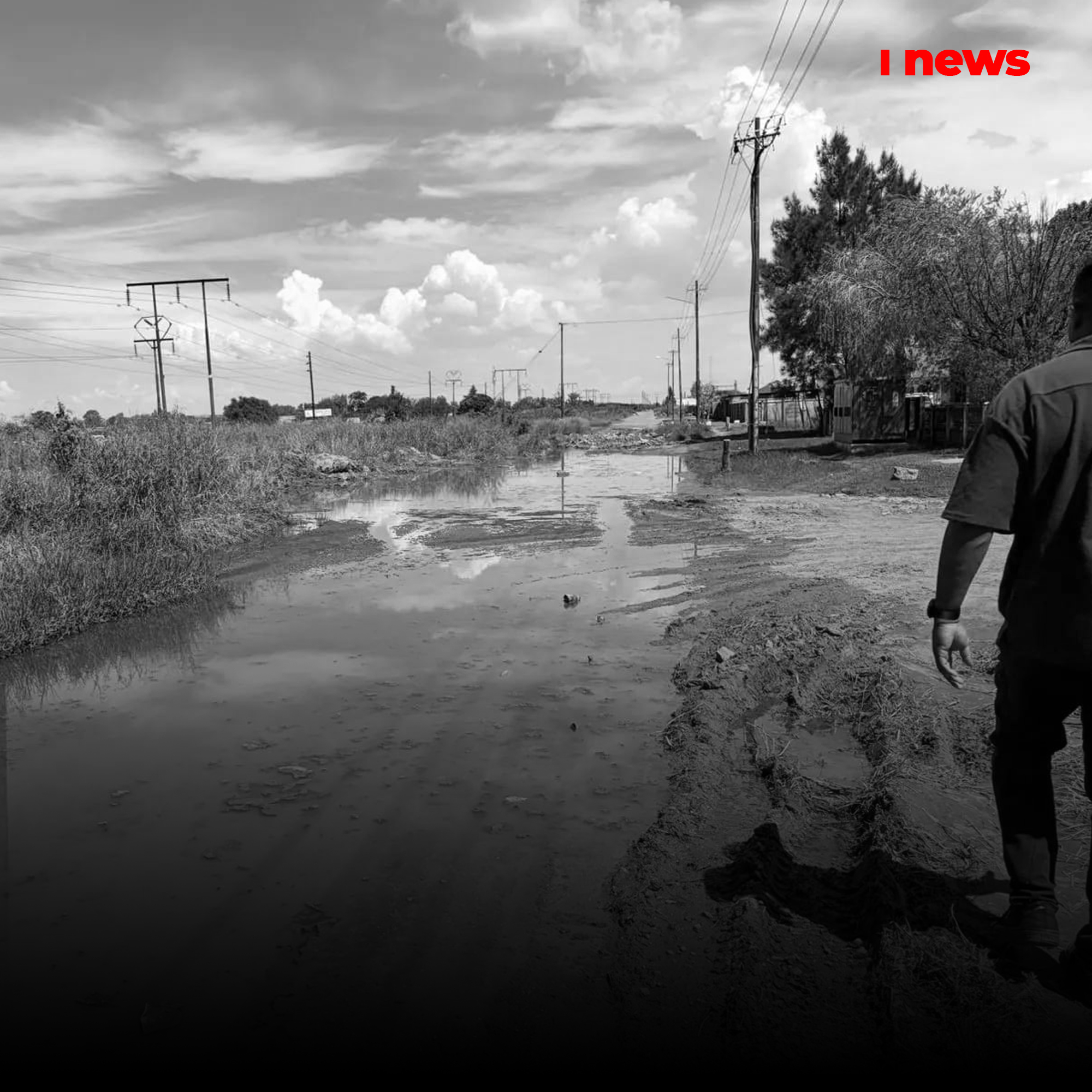
The health consequences of Emfuleni’s failure are hardest to ignore. Only 30% of the municipality’s 46 sewage pump stations are operational. The rest have broken down, often for months, causing untreated sewage to flood residential yards, streams, and the Vaal River system.
In Tshepong, a 77‑year‑old resident told local media she has lived with sewage backing up into her yard for ten years. An elderly woman running a daycare centre was forced to close after knee‑deep effluent entered the children’s play area. A motorist from the area said he suffers chronic diarrhoea and suspects the polluted air and water are to blame.
In May 2025, the Democratic Alliance laid a formal complaint with the South African Human Rights Commission (SAHRC), arguing that Emfuleni is violating constitutional rights to an environment not harmful to health, access to water, and access to sanitation. AfriForum separately filed criminal charges against the municipal manager under the National Water Act, demanding personal accountability for ongoing pollution.
The Department of Water and Sanitation has acknowledged the scale of the crisis. In 2021, it invoked Section 63 of the Water Services Act, appointing Rand Water as an implementing agent. A R7.6 billion, seven‑year plan is underway to refurbish four major wastewater treatment works Rietspruit, Leeukuil, Sebokeng, and Meyerton and replace collapsed trunk sewers.
To date, more than 50 collapsed sewer lines have been replaced, and several pump stations have been returned to service. The department says visible sewage spills have “reduced markedly” in some areas. However, it warns that full rehabilitation will take three to five years, meaning residents face at least another half‑decade of disruption.
Protest and Desperation
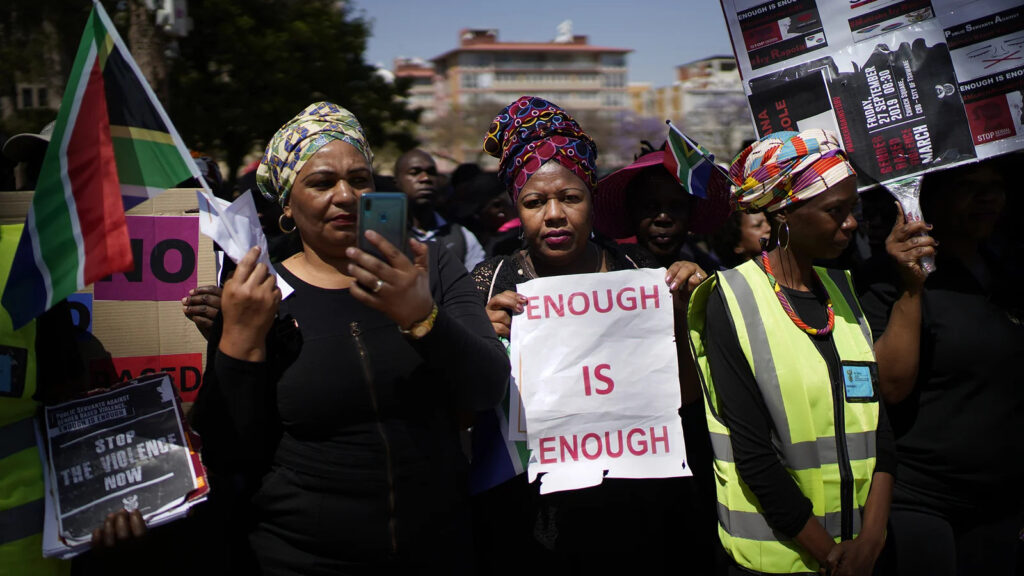
Public anger has moved from complaints to direct action. In May 2025, as Mayor Sipho Radebe hosted a “Service Delivery and Revenue Enhancement Summit” at the Vereeniging Civic Hall, residents from Duncanville arrived with piles of uncollected rubbish and dumped them at the entrance. “We pay for services we do not receive,” one protester said. “Rats and flies are our only collectors.”
In February 2026, the mayor launched 25 new service delivery vehicles and announced a plan to lease 145 more. But residents remain deeply sceptical. “Those trucks will serve a few blocks, not our street,” a Boipatong resident told a news crew. “We have heard promises for years.”
The provincial legislature has also grown impatient. In May 2025, ELM was subpoenaed to appear before the standing committee on petitions after ignoring eight outstanding petitions, some more than a decade old — from communities demanding basic repairs. No senior official showed up for the first hearing. A later appearance produced promises but no firm timelines.
Political Fallout and the Call for Administration
The Freedom Front Plus (FF Plus) and other opposition parties have renewed calls for the Gauteng provincial government to place Emfuleni under full administration in terms of Section 139(1)(c) of the Constitution. That would strip the municipal council of its powers and hand financial control to the provincial treasury.
A Gauteng Legislature committee report has recommended exactly that, along with a full forensic audit and criminal prosecution where evidence of malfeasance exists. However, the FF Plus has noted that Emfuleni was already placed under partial administration in 2018, with no lasting improvement. “The only sustainable solution is for voters to remove the ruling party in the 2026 local elections,” a party councillor said.
The African National Congress (ANC) leadership in the region has blamed “apartheid‑era infrastructure” and “illegal connections” for the crisis, but critics point to internal audits showing that billions were lost to irregular contracts and unauthorised overtime rather than genuine maintenance.
What Comes Next?
With local government elections scheduled for later in 2026, Emfuleni has become a national symbol of municipal decay. The interim budget for 2025/26 has been declared unfunded, and the monthly revenue collection rate has dropped to 69% , far below the 85% minimum needed to stay solvent. Many households have stopped paying rates and taxes entirely, seeing no improvement despite decades of payments.
The R7.6 billion Rand Water intervention continues, but it is a long‑term engineering solution to a problem that also requires urgent governance reform. The municipality’s bank accounts remain under attachment. Its fleet of vehicles is largely repossessed or broken. And its overtime bill continues to grow, even as refuse piles higher.
For the people of Emfuleni, the pensioner wading through sewage, the mother whose child has chronic diarrhoea, the business owner watching customers leave — the promise of “intervention” has become a cruel joke. As one resident put it: “We don’t need another summit. We need a working toilet and a dustbin that comes on Tuesday.”
Whether the 2026 elections or a full provincial takeover will finally break the cycle remains to be seen. What is certain is that Emfuleni’s residents have run out of patience and, in too many cases, out of clean water and air as well.