 11
11
Your 24/7 source for the full mix of South African News. Politics, Business, Community, Trends. All beats, one feed
Your 24/7 source for the full mix of South African News. Politics, Business, Community, Trends. All beats, one feed
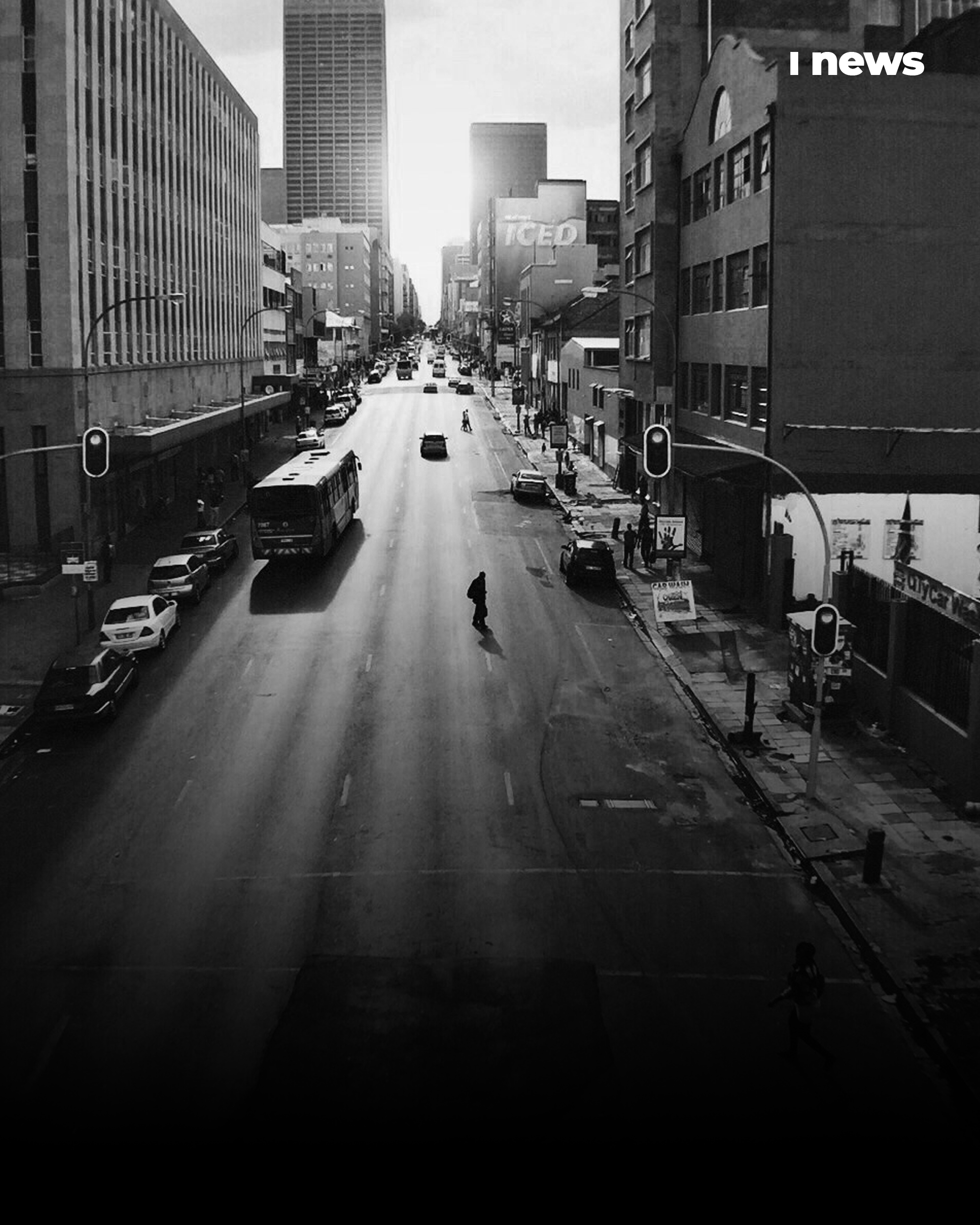
Johannesburg, the city that is supposed to be the engine of South Africa’s economy, is running on empty. Not metaphorically. Literally. The numbers are out and they are ugly. The City of Johannesburg owes creditors R25.2 billion and has only R3.9 billion in cash to show for it. That is a gap of over R21 billion, and nobody in power seems to have a clear plan for how to close it.
Finance Minister Enoch Godongwana had seen enough. In a letter dated 23 April 2026, he wrote directly to Executive Mayor Dada Morero and did not hold back. He described the city’s financial situation as a marker of severe financial distress, said the city does not have the liquidity to pay its creditors, and ordered Morero to stop implementing a controversial R10.3 billion wage deal that had just been signed with the South African Municipal Workers Union.
“You are hereby directed to stop proceeding with the implementation of this illegally signed agreement that has the potential to destroy the sustainability of the City of Johannesburg. You very well know this city cannot afford this agreement.”
Finance Minister Enoch Godongwana, letter to Mayor Dada Morero, 23 April 2026
The wage deal itself has a backstory worth knowing. Samwu workers had been fighting for salary parity with employees in other metros for years, and the tension came to a head late last year when the union threatened to shut down freeways and disrupt the G20 Leaders Summit in Johannesburg. Morero signed the deal to keep the peace, committing to pay out R10.3 billion over two years. A minimum of R5 billion was due by July 2026 alone.
The problem is the city never actually had the money. Godongwana’s letter laid out a string of financial violations: an unfunded adjustment budget for 2025/26, revenue that had been overstated, expenditure understated, and R12.9 billion lost to unauthorised spending in the 2023/24 financial year. The city’s debt to revenue ratio also jumped 29 percent in 2024/25, a sign that things have been getting worse, not better, for some time.
If Morero does not act, Godongwana has threatened to withhold more than R8 billion in national funding, roughly a tenth of the city’s entire budget. Treasury has also warned it may invoke Section 216(2) of the Constitution, which would essentially mean the national government steps in to take over the city’s finances.
The political fallout has already started. The Democratic Alliance (DA), which is not part of the Joburg administration but is part of the national coalition government, took the wage deal to court and is pushing for the city to be placed under Treasury administration.
DA mayoral candidate Helen Zille called it plainly: the city is bankrupt. The African National Congress (ANC) in Johannesburg, meanwhile, has asked for an urgent meeting with Godongwana, insisting that the workers’ rights must still be protected even as the financial mess gets sorted out.
“The city continues to operate on noncompliant, manual or interim financial systems, which prevents transparent reporting. The administration is playing politics and cutting corners to everyone’s demise,” mentioned Rise Mzansi MP Makashule Gana.
Morero, for his part, confirmed that a meeting with Treasury has been scheduled. His public statement after the letter became news was that residents should have no cause for concern. Whether that reassurance holds up against a R21 billion shortfall is a different question entirely.
For the six million people who live in Johannesburg, this is not an abstract policy debate. It shows up in potholes that never get fixed, water outages that drag on for days, load shedding from a municipality that cannot maintain its own grid, and rubbish that piles up on corners. The money problems at the top have been bleeding into daily life for a while now. The difference is that the numbers are finally in writing.
The city that was built to power the country is now being kept alive by the country. And even that might not last much longer.